Secure Relationships and Attachment: What Couples in Austin Need to Know

 
Couple holding hands and emotionally connecting for secure relationship blog header in Austin TX

Have you ever heard a couple say “oh, we never fight!” and thought, wow, relationship goals?

Sometimes we have a tendency to define a healthy, secure relationship as one without conflict. However, clinical research tells a different story. In fact, secure relationships don’t avoid conflict altogether, but rather, they know how to move through it in healthy, connecting ways.

What Defines a Secure Relationship?

So what does define a secure relationship?

As an Austin couples therapist, I often refer to Emotionally Focused Therapy (EFT), an attachment-based approach that highlights three core elements of a secure bond:

  1. Accessibility

    • When your partner is upset or hurting, do they have a way to reach for you? Can you reach for them? Accessibility means knowing that you can find each other, especially in moments of distress. 

  2. Responsiveness:

    • When your partner reaches for you in their moment of distress, do you turn toward them? This may look like putting down your phone to listen, or answering a call when it matters. Over time, each partner comes to trust: you’ll be there, and you’ll respond.

  3. Emotionally Engaged: 

    • Beyond being reachable and responsive, can you let yourself be moved by your partner’s experience? Emotional engagement is about being with your partner in their pain, not fixing, dismissing, or avoiding it. 

When these three elements are present, relationships begin to feel more secure, and patterns between partners start to shift in meaningful ways. EFT is commonly used in couples therapy in Austin to help partners strengthen emotional connection and build a more secure attachment.

Couple smiling together because of emotionally focused couples therapy in Austin TX

What Does a Secure Relationship Look Like in Everyday Life?

While every relationship is unique, there are a few common markers:

  • Emotional Availability

    • Partners are reliably there for each other, especially in hard moments. This doesn’t have to be perfect, just consistent enough. In fact, some EFCT research shows that feeling connected and attuned to each other one-third of the time can be enough to foster a sense of security.

  • Clear, Honest Communication

    • Partners can openly share needs, feelings, and boundaries, rather than relying on hinting, passive-aggression, or even abandoning their own needs. Even when these needs can’t be fully met, it feels safe to talk about them

    • If communication struggles are creating distance in your relationship, you may also find our post on how to fight fair in your relationship helpful.

  • A Secure Base

    • There is room for each partner to have their own identity, to explore different interests, and to learn and to grow. Closeness doesn’t require shrinking or minimizing oneself. Instead, the relationship is a secure place to come back to. 

  • A Safe Haven

    • If things get stormy, or in hard moments, each partner also trusts that their relationship is a safe place for comfort. Support is offered without minimizing, fixing too quickly, or withdrawing.

  • Ability to Repair

    • A secure relationship is rarely one where conflict never happens, but rather where conflict is able to be repaired. Partners listen to understand, attune to each other’s experience, apologize when needed, and comfort each other. These relationships aren’t afraid of hard things, because they know they can face it together.

At their core, secure relationships are ones where both partners feel seen, safe, and soothed. In secure relationships, each partner believes:

“I can be fully myself with you.” 

“I can depend on you, and you can depend on me.” 

“Even when things are difficult, we’ll work through it together.”

Happy couple sharing an emotionally connected moment for secure attachment relationship blog in Austin

How Do You Build a More Secure Relationship?

Here’s the good news: even if this doesn’t feel like your relationship right now, you and your partner can learn to create and build a secure relationship. Secure attachment can be strengthened over time through intentional connection, emotional responsiveness, and healthier communication patterns.

If you find yourself getting stuck in patterns of insecurity or disconnection, or you simply want to grow with your partner toward building a more secure relationship, we are here to help. Learn more about our couples therapy services in Austin or explore additional relationship resources on our blog.

Reach out for your free consultation call today! 


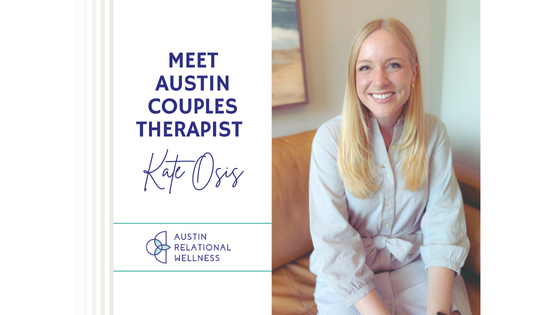
Article by Kate Osis, MA, LPC Associate

Providing Couples Therapy in Austin for Emotional Connection, Attachment, and Relationship Communication
 

How to Fight Fair in Your Relationship: 6 Tips from Austin Couples Therapists

 
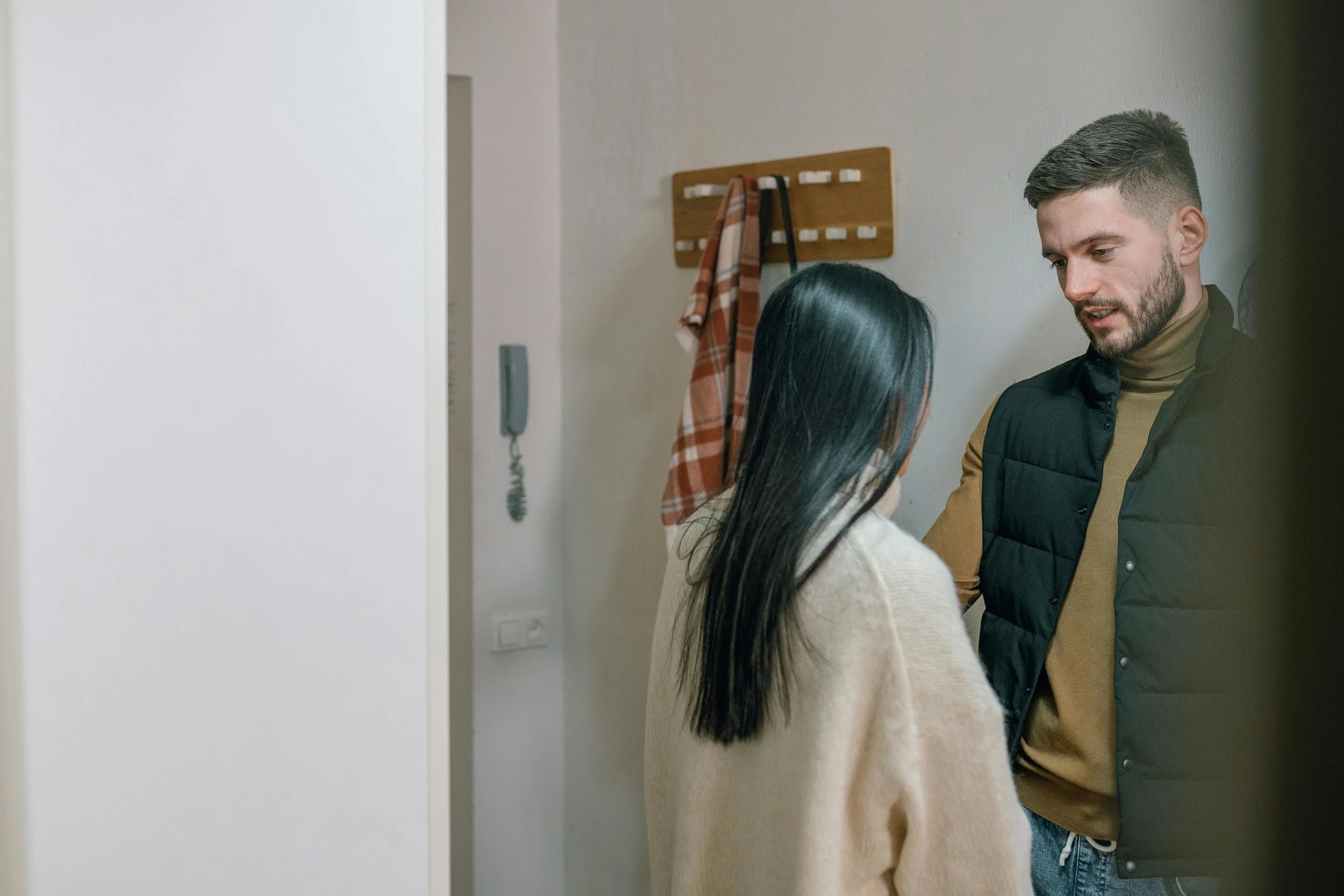
Couple talking during conflict resolution conversation for relationship advice blog in Austin TX

Every couple argues sometimes. Conflict is a normal and healthy part of any relationship. Still, fights can leave us feeling misunderstood and disconnected from the person we most want to feel close to. Learning to fight fair isn’t about avoiding disagreement - it's about learning to engage respectfully with the goal of seeking to understand and seeking resolution rather than “winning.” 

Here are some key takeaways to consider when fighting fairly in your relationship:

Take a Pause

One of the most important aspects of fighting fairly is taking a pause. Not only does pausing help with emotional regulation but it also helps you connect to what you want to communicate. 

When you pause, ask yourself: Why am I really upset?” 

Often, what sparks our anger, like dirty dishes or forgotten errands, hides a deeper need. Maybe you’re feeling unseen, unsupported, or overwhelmed. Naming your emotions before speaking helps you approach the conversation with clarity instead of blame.

Stick to One Issue at a Time

Conversations that wander from “You didn’t text me back” to “You never listen to me” quickly spiral into confusion and defensiveness. Focusing on a single topic keeps things manageable and productive.

Partner listening attentively during a relationship conversation

Language Matters

Name-calling, sarcasm, or put-downs might feel momentarily satisfying but cause lasting harm. These behaviors are examples of contempt—one of Gottman's Four Horsemen that can predict relationship distress. The goal is to discuss the issue, not attack the person.

Try using I-statements to express feelings responsibly: “I feel hurt when you interrupt me,” instead of “You never let me talk.” This small shift communicates emotion without blame.

Practice Listening

Another cornerstone of fair fighting is active listening. It sounds simple, but it’s one of the hardest aspects of communication, especially when we are upset. When your partner speaks, resist the urge to correct or rehearse your rebuttal.

Listen to understand, not to win.

If interruptions are common, try taking turns speaking for a set amount of time.

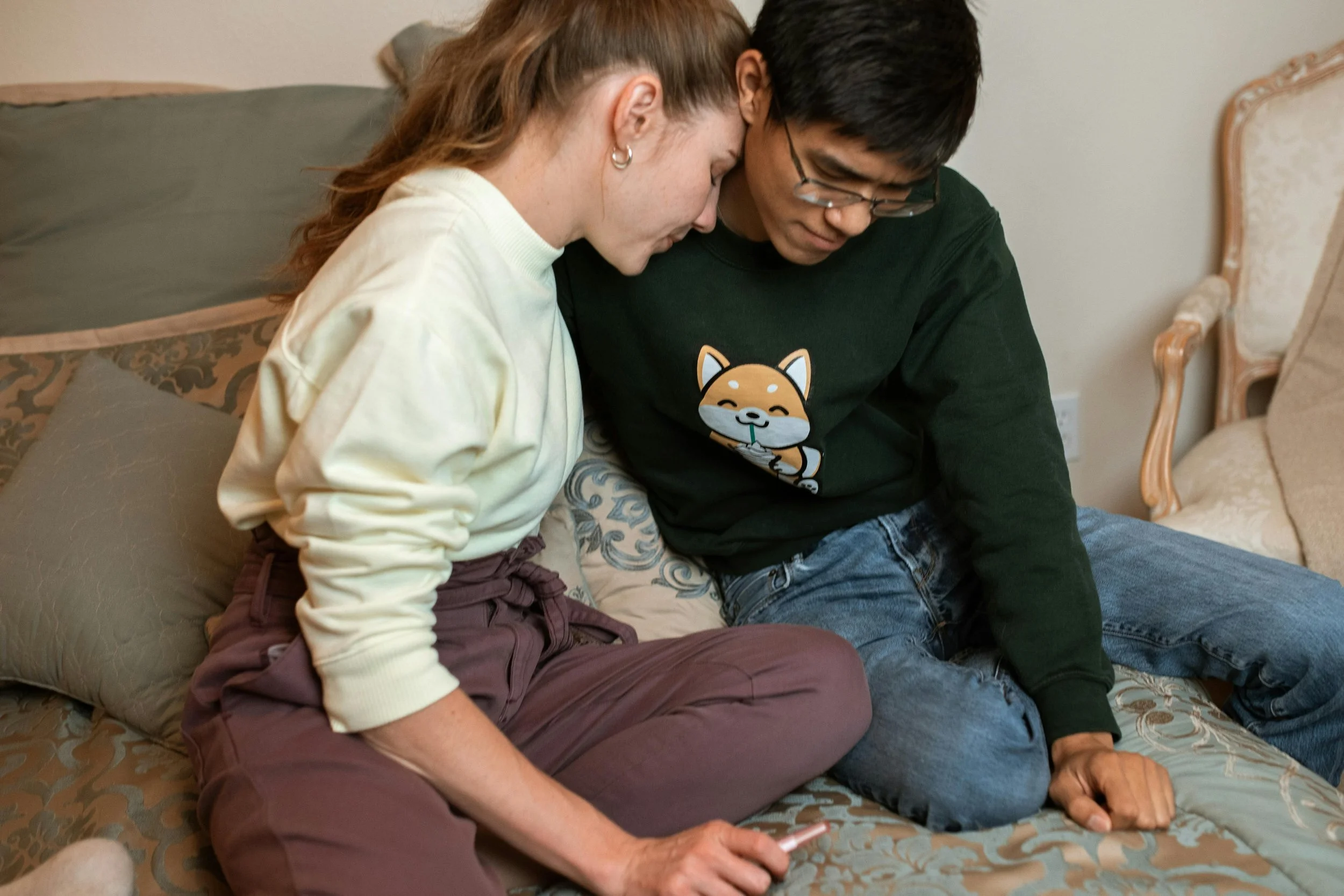
Couple having a calm conversation about conflict at home

It’s Okay to Take a Time Out

If emotions rise too high, take a time-out rather than stonewalling or shutting down. Say, “I need a break, but I want to finish this later,” and agree on a time to revisit the conversation. Cooling off allows you to respond rather than react. 

Aim for Understanding

Not every issue will have a perfect resolution, but empathy and willingness to meet in the middle go a long way. Even when you can’t agree, showing your partner that you care about their perspective strengthens trust and safety.


When Fighting Becomes a Pattern: Couples Therapy Can Help

Conflict handled with care can become a bridge rather than a barrier. When couples fight fair - by pausing, listening, and speaking with respect, they create opportunities for growth and deeper connection.

If you and your partner want support in learning to fight fairly, reach out to one of our therapists at Austin Relational Wellness to begin your couples therapy journey. 


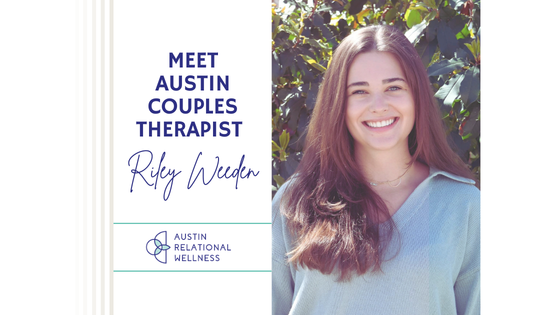
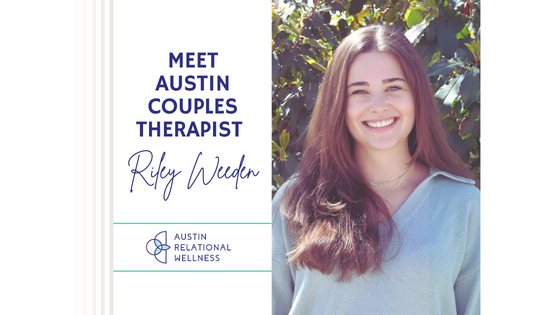
Meet Riley Weeden: Austin Couples Therapist


Meet Riley: Austin Individual & Couples Therapist

I’m so glad you’re here! My name is Riley Weeden, and I’m an individual and couples therapist at Austin Relational Wellness.

Relationships matter deeply to us, and they can also be where we feel the most confused, hurt, or stuck. Whether you’re struggling with your partner or feeling disconnected from yourself, as your therapist, our work together will focus on creating deeper understanding, emotional safety, and lasting connection.

My Background & Experience

I have had the privilege of working with children, adolescents, adults, families, and couples ranging in age from 6 to 75. Through this work with clients from diverse backgrounds, I discovered a particular passion for supporting individuals, couples, and families navigating complex trauma, attachment wounds, and experiences of disconnection.

To deepen my effectiveness in this work, I have completed training in Imago Relationship Therapy, Gottman Method Couples Therapy, Emotionally Focused Therapy (EFT), Acceptance and Commitment Therapy (ACT), and the treatment of eating disorders.

Why I Chose to Become an Individual & Couples Therapist

I became a therapist because I wanted to help people make sense of the pain and complexity that come with being human. I’ve always been drawn to vulnerability, both in myself and in others, and to the way it opens the door to deeper understanding and connection. While earning my degree in Behavioral Neuroscience, I was struck by the intricacy of the human mind: our capacity to feel deeply, think critically, and continually form new neural pathways. What impacted me most was learning how essential relationships are, not only for survival, but for meaning and fulfillment. This understanding led me to pursue a career in therapy, where I discovered that the most rewarding work centers on strengthening the ways we relate to ourselves and to others, fostering connection and creating lasting, meaningful relationships.


Education

I earned my Bachelor of Arts in Behavioral Neuroscience from the University of San Diego and went on to receive my Master of Arts in Mental Health Counseling from St. Edward’s University here in Austin, TX.

Who I Love to Work With in Therapy

I especially enjoy working with Austin individuals and couples who want to explore people-pleasing, perfectionism, anxiety, depression, neurodivergence, attachment wounds, eating disorders, and body image concerns. Many of my clients are highly attuned to the emotions of their partners, family members, and friends, yet find it difficult to connect with their own inner experiences. They often carry fears of being “too much” or worry about expressing their needs, while deeply longing for closeness, authenticity, and meaningful connection.

Outside of the Therapy Room

I’m a real person too. Outside of my practice, you’ll find me spending time with family and friends, reading my way through Reese’s Book Club picks, attending yoga classes, playing golf, and cuddling with my puppy, Nico.