
Meet Riley Weeden: Attachment-Focused Therapist for Couples & Individuals in Austin


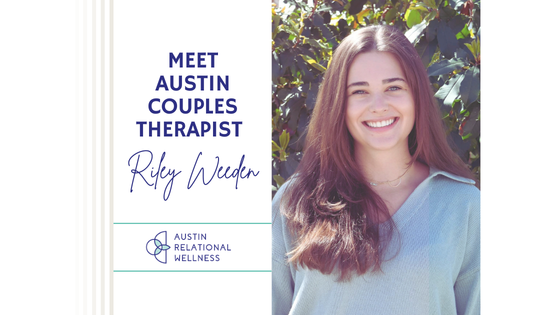
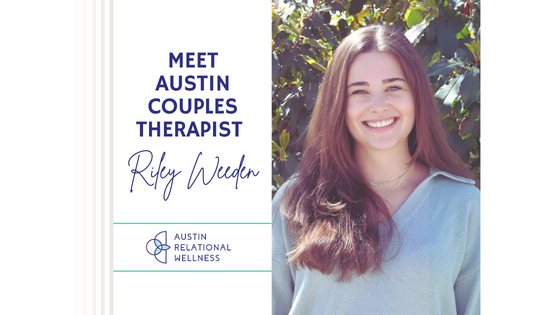
Meet Riley: Austin Individual & Couples Therapist

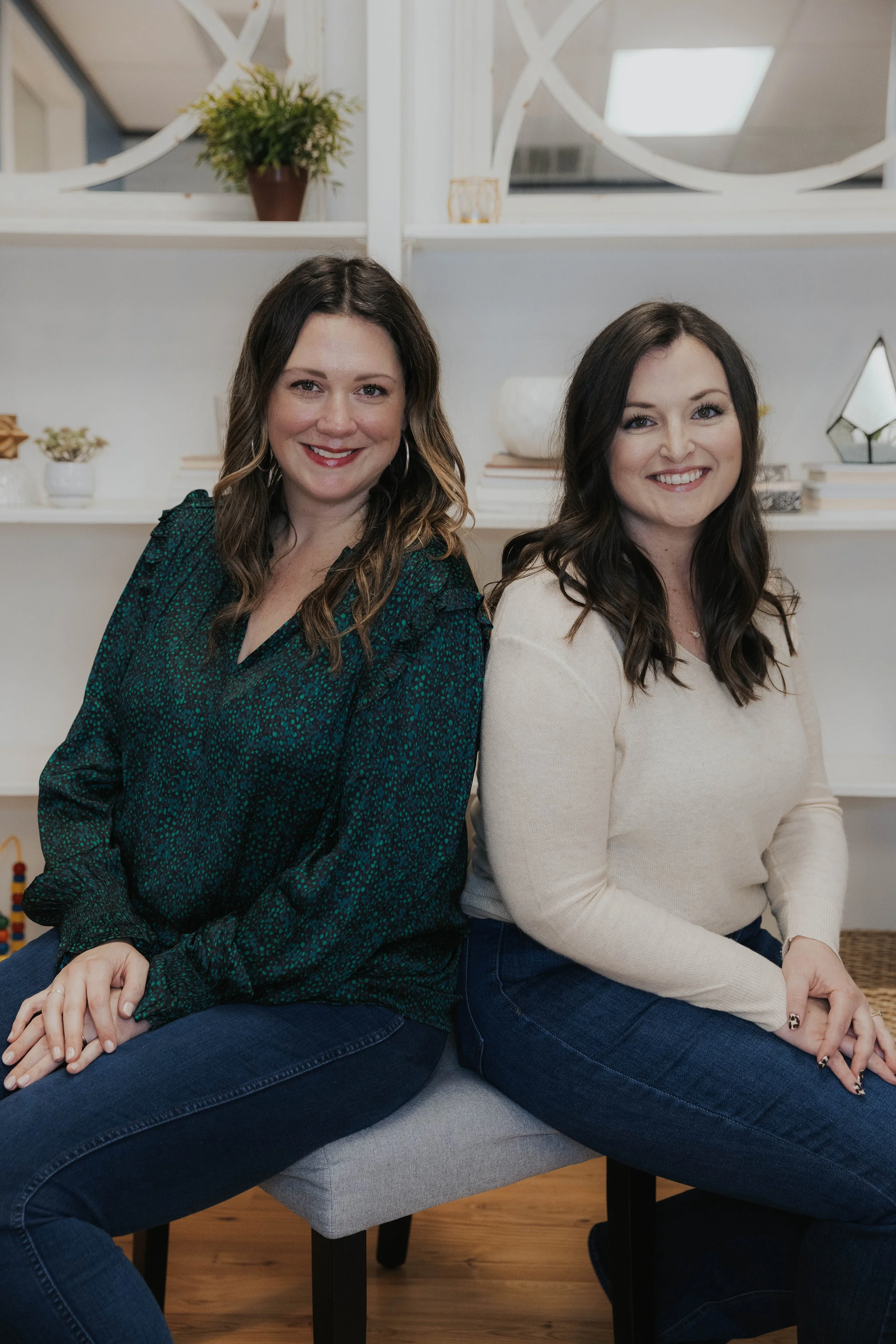
I’m so glad you’re here! My name is Riley Weeden, and I’m an individual and couples therapist at Austin Relational Wellness.

Relationships matter deeply to us, and they can also be where we feel the most confused, hurt, or stuck. Whether you’re struggling with your partner or feeling disconnected from yourself, as your therapist, our work together will focus on creating deeper understanding, emotional safety, and lasting connection.

My Background & Experience

I have had the privilege of working with children, adolescents, adults, families, and couples ranging in age from 6 to 75. Through this work with clients from diverse backgrounds, I discovered a particular passion for supporting individuals, couples, and families navigating complex trauma, attachment wounds, and experiences of disconnection.

To deepen my effectiveness in this work, I have completed training in Gottman Method Couples Therapy, Emotionally Focused Therapy (EFT), Acceptance and Commitment Therapy (ACT), and the treatment of eating disorders.

Why I Chose to Become an Individual & Couples Therapist

I became a therapist because I wanted to help people make sense of the pain and complexity that come with being human. I’ve always been drawn to vulnerability, both in myself and in others, and to the way it opens the door to deeper understanding and connection. While earning my degree in Behavioral Neuroscience, I was struck by the intricacy of the human mind: our capacity to feel deeply, think critically, and continually form new neural pathways. What impacted me most was learning how essential relationships are, not only for survival, but for meaning and fulfillment. This understanding led me to pursue a career in therapy, where I discovered that the most rewarding work centers on strengthening the ways we relate to ourselves and to others, fostering connection and creating lasting, meaningful relationships.


Education

I earned my Bachelor of Arts in Behavioral Neuroscience from the University of San Diego and went on to receive my Master of Arts in Mental Health Counseling from St. Edward’s University here in Austin, TX.

Who I Love to Work With in Therapy

I especially enjoy working with Austin individuals and couples who want to explore people-pleasing, perfectionism, anxiety, depression, neurodivergence, attachment wounds, eating disorders, and body image concerns. Many of my clients are highly attuned to the emotions of their partners, family members, and friends, yet find it difficult to connect with their own inner experiences. They often carry fears of being “too much” or worry about expressing their needs, while deeply longing for closeness, authenticity, and meaningful connection.

Outside of the Therapy Room

I’m a real person too. Outside of my practice, you’ll find me spending time with family and friends, reading my way through Reese’s Book Club picks, attending yoga classes, playing golf, and cuddling with my puppy, Nico.


How to Fight Fair in Your Relationship: 6 Tips from Austin Couples Therapists

 
Couple embracing while learning to navigate conflict in their relationship

Every couple argues sometimes. Conflict is a normal and healthy part of any relationship. Still, fights can leave us feeling misunderstood and disconnected from the person we most want to feel close to. Learning to fight fair isn’t about avoiding disagreement - it's about learning to engage respectfully with the goal of seeking to understand and seeking resolution rather than “winning.” 

Here are some key takeaways to consider when fighting fairly in your relationship:

Take a Pause

One of the most important aspects of fighting fairly is taking a pause. Not only does pausing help with emotional regulation but it also helps you connect to what you want to communicate. 

When you pause, ask yourself: Why am I really upset?” 

Often, what sparks our anger, like dirty dishes or forgotten errands, hides a deeper need. Maybe you’re feeling unseen, unsupported, or overwhelmed. Naming your emotions before speaking helps you approach the conversation with clarity instead of blame.

Stick to One Issue at a Time

Conversations that wander from “You didn’t text me back” to “You never listen to me” quickly spiral into confusion and defensiveness. Focusing on a single topic keeps things manageable and productive.

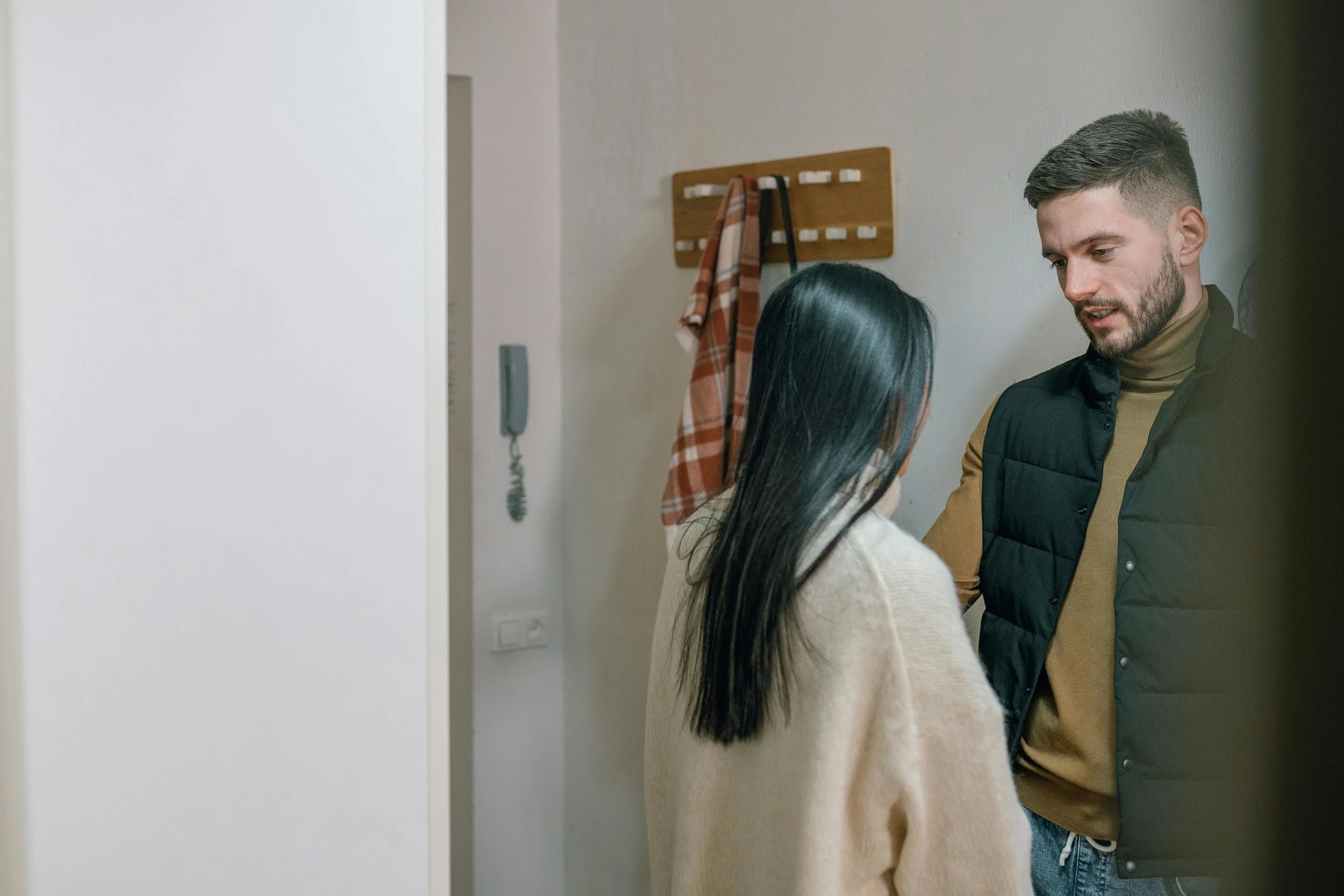
Partner listening attentively during a relationship conversation

Language Matters

Name-calling, sarcasm, or put-downs might feel momentarily satisfying but cause lasting harm. These behaviors are examples of contempt—one of Gottman's Four Horsemen that can predict relationship distress. The goal is to discuss the issue, not attack the person.

Try using I-statements to express feelings responsibly: “I feel hurt when you interrupt me,” instead of “You never let me talk.” This small shift communicates emotion without blame.

Practice Listening

Another cornerstone of fair fighting is active listening. It sounds simple, but it’s one of the hardest aspects of communication, especially when we are upset. When your partner speaks, resist the urge to correct or rehearse your rebuttal.

Listen to understand, not to win.

If interruptions are common, try taking turns speaking for a set amount of time.

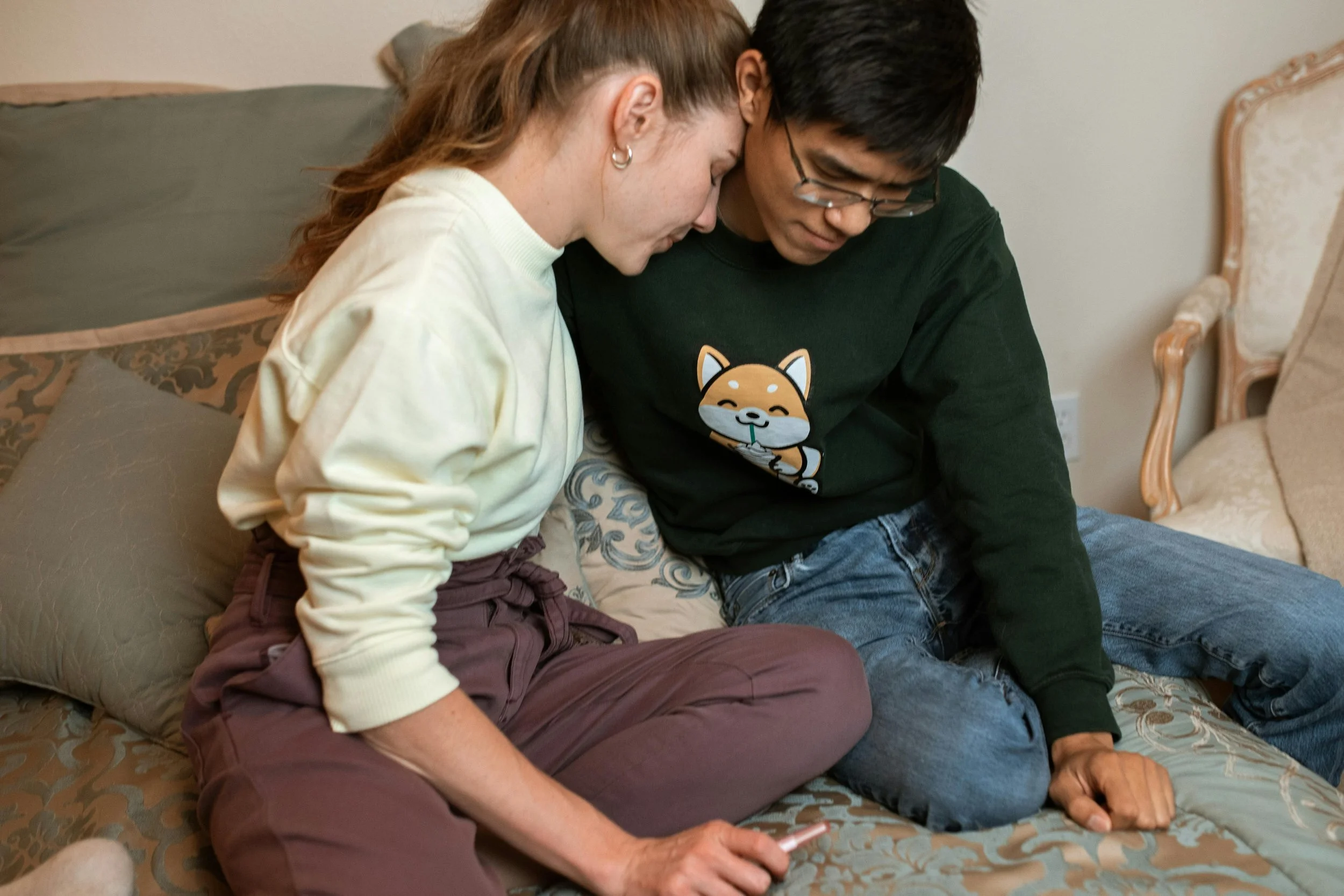
Couple having a calm conversation about conflict at home

It’s Okay to Take a Time Out

If emotions rise too high, take a time-out rather than stonewalling or shutting down. Say, “I need a break, but I want to finish this later,” and agree on a time to revisit the conversation. Cooling off allows you to respond rather than react. 

Aim for Understanding

Not every issue will have a perfect resolution, but empathy and willingness to meet in the middle go a long way. Even when you can’t agree, showing your partner that you care about their perspective strengthens trust and safety.


When Fighting Becomes a Pattern: Couples Therapy Can Help

Conflict handled with care can become a bridge rather than a barrier. When couples fight fair - by pausing, listening, and speaking with respect, they create opportunities for growth and deeper connection.

If you and your partner want support in learning to fight fairly, reach out to one of our therapists at Austin Relational Wellness to begin your couples therapy journey. 


Meet The Counselors | Austin Relational Wellness


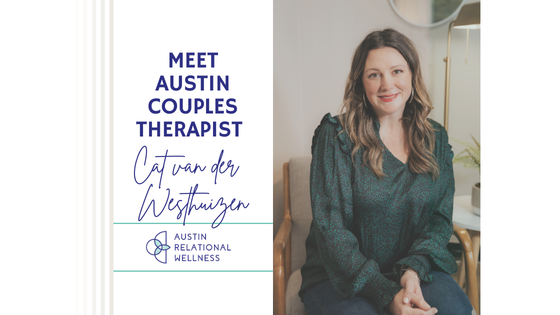
Meet Cat van der Westhuizen: Austin EFT Couples Therapist

Cat is a Licensed Professional Counselor (LPC) and Licensed Marriage and Family Therapist (LMFT)—and the Clinical Director and co-owner of Austin Relational Wellness. She provides couples therapy and individual counseling for adults who are struggling in their relationships and looking to create deeper, more authentic connections.

Cat helps individuals and couples who feel stuck, anxious, or disconnected. Many of her clients come to her worn out from managing others' feelings, struggling to experience their full range of emotions, or caught in painful relationship patterns that feel impossible to break. She supports them in exploring what's really going on beneath the surface so they can understand themselves better and show up more authentically in their lives and relationships.

Cat's Approach to Therapy

Cat’s therapeutic style is shaped by attachment theory, relational psychology, and modern psychoanalytic frameworks. She has advanced training in Emotionally Focused Therapy (EFT) and the Narrative Enneagram, and she continually invests in her own growth through consultation groups focused on couples work, Enneagram, and modern psychoanalysis.

As an Emotionally Focused couples therapist, Cat acts as a process consultant for couples stuck in painful interaction cycles. She helps by slowing down the emotional process, identifying the patterns that keep couples disconnected, and shaping positive experiences that can heal relationships and deepen emotional bonds.

Couples Therapy with Cat

Cat works with couples facing:

  • Communication breakdowns and recurring conflict

  • Disconnection and emotional distance

  • Premarital preparation

  • Life transitions that strain the relationship

  • Rebuilding after trust has been broken

She uses EFT to help couples reconnect, rebuild friendship and intimacy, and develop healthier ways of navigating conflict. Cat believes deeply in the power of a healthy, loving relationship—and she's committed to helping couples create that for themselves.

Community & Professional Involvement

Connection and community are central to who Cat is, both as a therapist and as a person. She recently completed her term as board president for the Austin Association for Marriage and Family Therapy (Austin AMFT), where she served in various roles for over 6 years, and she is an active member of the Austin Community for Emotionally Focused Therapy.

Outside the Therapy Room

When she's not in session, Cat enjoys trying new recipes, camping, and getting out in nature with her husband, daughter, and pit bull.


Looking for a Couples Therapist?

Cat is currently not accepting new clients. But don't worry—our team of experienced couples therapists shares Cat's commitment to evidence-based, relationship-focused care.

If you're ready to start couples therapy or individual counseling, we'd love to match you with one of our other clinicians who can help.


Cat van der Westhuizen, MA, LPC, LMFT, is the Clinical Director and co-owner of Austin Relational Wellness. She has been practicing in Austin since 2017.