

Secure Relationships and Attachment: What Couples in Austin Need to Know

 
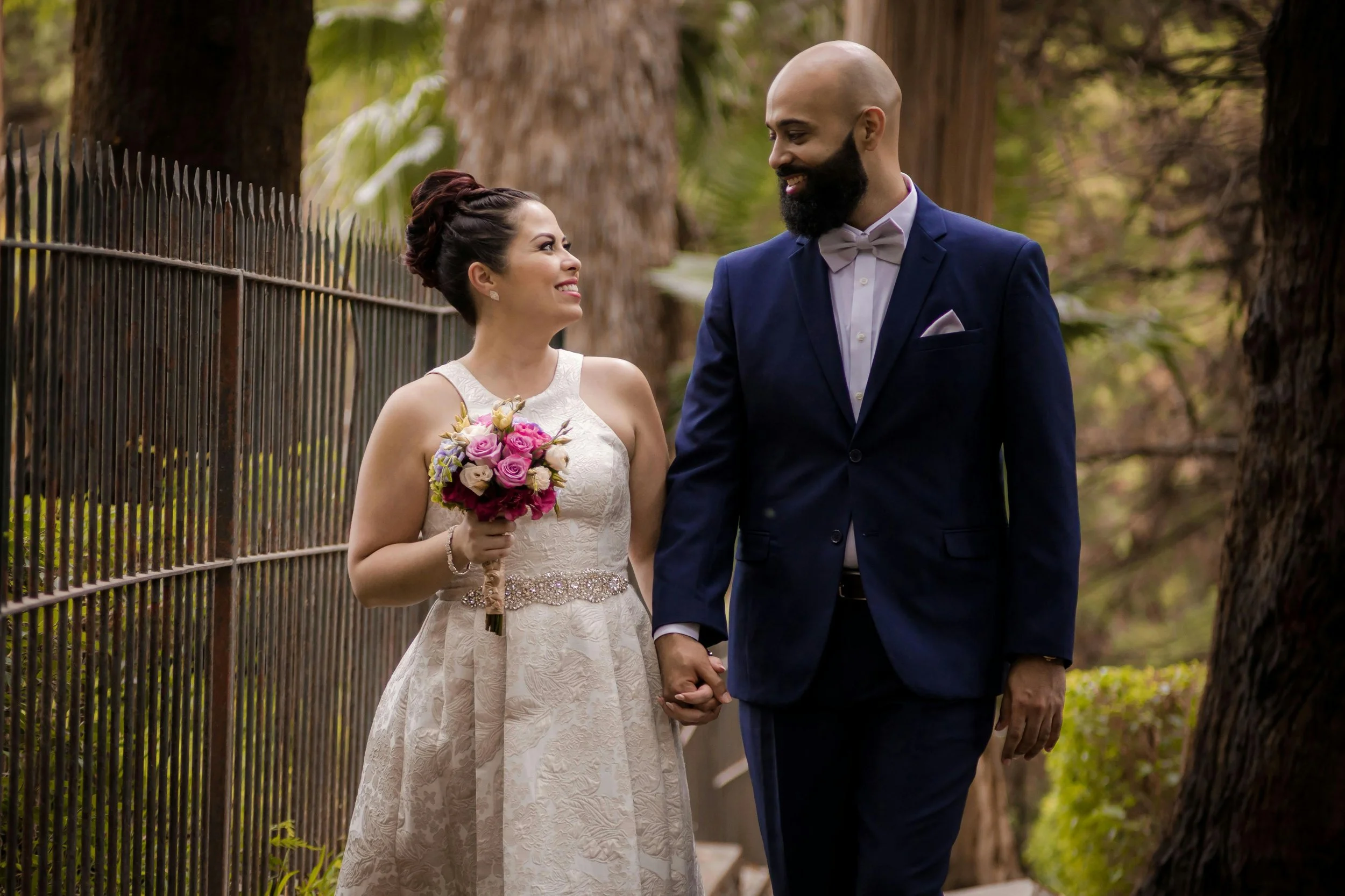
Couple holding hands and emotionally connecting for secure relationship blog header in Austin TX

Have you ever heard a couple say “oh, we never fight!” and thought, wow, relationship goals?

Sometimes we have a tendency to define a healthy, secure relationship as one without conflict. However, clinical research tells a different story. In fact, secure relationships don’t avoid conflict altogether, but rather, they know how to move through it in healthy, connecting ways.

What Defines a Secure Relationship?

So what does define a secure relationship?

As an Austin couples therapist, I often refer to Emotionally Focused Therapy (EFT), an attachment-based approach that highlights three core elements of a secure bond:

  1. Accessibility

    • When your partner is upset or hurting, do they have a way to reach for you? Can you reach for them? Accessibility means knowing that you can find each other, especially in moments of distress. 

  2. Responsiveness:

    • When your partner reaches for you in their moment of distress, do you turn toward them? This may look like putting down your phone to listen, or answering a call when it matters. Over time, each partner comes to trust: you’ll be there, and you’ll respond.

  3. Emotionally Engaged: 

    • Beyond being reachable and responsive, can you let yourself be moved by your partner’s experience? Emotional engagement is about being with your partner in their pain, not fixing, dismissing, or avoiding it. 

When these three elements are present, relationships begin to feel more secure, and patterns between partners start to shift in meaningful ways. EFT is commonly used in couples therapy in Austin to help partners strengthen emotional connection and build a more secure attachment.

Couple smiling together because of emotionally focused couples therapy in Austin TX

What Does a Secure Relationship Look Like in Everyday Life?

While every relationship is unique, there are a few common markers:

  • Emotional Availability

    • Partners are reliably there for each other, especially in hard moments. This doesn’t have to be perfect, just consistent enough. In fact, some EFCT research shows that feeling connected and attuned to each other one-third of the time can be enough to foster a sense of security.

  • Clear, Honest Communication

    • Partners can openly share needs, feelings, and boundaries, rather than relying on hinting, passive-aggression, or even abandoning their own needs. Even when these needs can’t be fully met, it feels safe to talk about them

    • If communication struggles are creating distance in your relationship, you may also find our post on how to fight fair in your relationship helpful.

  • A Secure Base

    • There is room for each partner to have their own identity, to explore different interests, and to learn and to grow. Closeness doesn’t require shrinking or minimizing oneself. Instead, the relationship is a secure place to come back to. 

  • A Safe Haven

    • If things get stormy, or in hard moments, each partner also trusts that their relationship is a safe place for comfort. Support is offered without minimizing, fixing too quickly, or withdrawing.

  • Ability to Repair

    • A secure relationship is rarely one where conflict never happens, but rather where conflict is able to be repaired. Partners listen to understand, attune to each other’s experience, apologize when needed, and comfort each other. These relationships aren’t afraid of hard things, because they know they can face it together.

At their core, secure relationships are ones where both partners feel seen, safe, and soothed. In secure relationships, each partner believes:

“I can be fully myself with you.” 

“I can depend on you, and you can depend on me.” 

“Even when things are difficult, we’ll work through it together.”

Happy couple sharing an emotionally connected moment for secure attachment relationship blog in Austin

How Do You Build a More Secure Relationship?

Here’s the good news: even if this doesn’t feel like your relationship right now, you and your partner can learn to create and build a secure relationship. Secure attachment can be strengthened over time through intentional connection, emotional responsiveness, and healthier communication patterns.

If you find yourself getting stuck in patterns of insecurity or disconnection, or you simply want to grow with your partner toward building a more secure relationship, we are here to help. Learn more about our couples therapy services in Austin or explore additional relationship resources on our blog.

Reach out for your free consultation call today! 


Article by Kate Osis, MA, LPC Associate

Providing Couples Therapy in Austin for Emotional Connection, Attachment, and Relationship Communication


 

How to Fight Fair in Your Relationship: 6 Tips from Austin Couples Therapists

 
Couple talking during conflict resolution conversation for relationship advice blog in Austin TX

Every couple argues sometimes. Conflict is a normal and healthy part of any relationship. Still, fights can leave us feeling misunderstood and disconnected from the person we most want to feel close to. Learning to fight fair isn’t about avoiding disagreement - it's about learning to engage respectfully with the goal of seeking to understand and seeking resolution rather than “winning.” 

Here are some key takeaways to consider when fighting fairly in your relationship:

Take a Pause

One of the most important aspects of fighting fairly is taking a pause. Not only does pausing help with emotional regulation but it also helps you connect to what you want to communicate. 

When you pause, ask yourself: Why am I really upset?” 

Often, what sparks our anger, like dirty dishes or forgotten errands, hides a deeper need. Maybe you’re feeling unseen, unsupported, or overwhelmed. Naming your emotions before speaking helps you approach the conversation with clarity instead of blame.

Stick to One Issue at a Time

Conversations that wander from “You didn’t text me back” to “You never listen to me” quickly spiral into confusion and defensiveness. Focusing on a single topic keeps things manageable and productive.

Partner listening attentively during a relationship conversation

Language Matters

Name-calling, sarcasm, or put-downs might feel momentarily satisfying but cause lasting harm. These behaviors are examples of contempt—one of Gottman's Four Horsemen that can predict relationship distress. The goal is to discuss the issue, not attack the person.

Try using I-statements to express feelings responsibly: “I feel hurt when you interrupt me,” instead of “You never let me talk.” This small shift communicates emotion without blame.

Practice Listening

Another cornerstone of fair fighting is active listening. It sounds simple, but it’s one of the hardest aspects of communication, especially when we are upset. When your partner speaks, resist the urge to correct or rehearse your rebuttal.

Listen to understand, not to win.

If interruptions are common, try taking turns speaking for a set amount of time.

Couple having a calm conversation about conflict at home

It’s Okay to Take a Time Out

If emotions rise too high, take a time-out rather than stonewalling or shutting down. Say, “I need a break, but I want to finish this later,” and agree on a time to revisit the conversation. Cooling off allows you to respond rather than react. 

Aim for Understanding

Not every issue will have a perfect resolution, but empathy and willingness to meet in the middle go a long way. Even when you can’t agree, showing your partner that you care about their perspective strengthens trust and safety.


When Fighting Becomes a Pattern: Couples Therapy Can Help

Conflict handled with care can become a bridge rather than a barrier. When couples fight fair - by pausing, listening, and speaking with respect, they create opportunities for growth and deeper connection.

If you and your partner want support in learning to fight fairly, reach out to one of our therapists at Austin Relational Wellness to begin your couples therapy journey. 


Premarital Counseling for Engaged Couples in Austin: Benefits and What to Expect

 
Married couple holding hands for premarital counseling blog header in Austin TX

Planning a wedding can feel like juggling a hundred moving pieces—flowers, playlists, cake flavors, family expectations. It's easy to become caught up in the details of the day. As exciting as your wedding day is, what truly matters is the life you’re creating together once the celebration ends. That’s where premarital counseling comes in. 

What is Premarital Counseling?

Premarital counseling is a tailored and structured counseling approach that gives couples the space to explore their relationship in more depth before their marriage commitment. Contrary to common misconceptions, premarital counseling is not about pointing out problems or flaws. Instead, it’s designed to help you strengthen your foundation, deepen your connection, and prepare for the challenges and joys of marriage.  

Premarital counseling is beneficial whether this is your first marriage or you’re entering marriage again. Every couple, no matter their history, can benefit from tools that nurture communication, foster intimacy, and build resilience. Many couples seek premarital therapy in Austin proactively, not because something is wrong, but because they want to build a healthier and more connected relationship before marriage.

Couple smiling during a premarital counseling session in Austin

What Do Couples Talk About in Premarital Counseling?

Topics that are typically covered include the following:

  • Communication, personality, and conflict styles

  • Values and expectations in life, career, gender roles, children, and spirituality/religion

  • Finances and lifestyle

  • Family of origin and relationship history

  • Shared meaning and rituals of connection

  • Intimacy and connection 

Couple who completed Prepare Enrich premarital counseling before their Austin wedding

Benefits of Premarital Counseling Before Marriage

Building a strong foundation before marriage can increase long-term relationship satisfaction, trust, and intimacy. Couples who engage in premarital counseling often find that they not only grow as partners but also as individuals. When you invest in learning about yourself and your partner, you’re setting your marriage up for resilience and providing your relationship with tools to navigate stress and celebrate milestones.

Premarital counseling can also help couples:

  • Improve communication skills

  • Navigate conflict in healthier ways

  • Clarify expectations around marriage and family life

  • Strengthen emotional and physical intimacy

  • Build confidence entering marriage together

Recently married couple embracing after their wedding ceremony

Our Approach to Premarital Counseling at Austin Relational Wellness

At Austin Relational Wellness, our therapists are passionate about helping couples deepen their connection before marriage. We use research-backed methods, including Prepare/Enrich, Emotionally Focused Therapy (EFT), and Gottman Method-informed approaches, to guide conversations that matter most. Each session is tailored to your relationship, making sure you walk away with both insight and practical tools.

You can learn more about our approach to couples therapy in Austin and how we help couples strengthen communication and connection. 

Twogether in Texas Premarital Counseling Requirements

We are also approved providers for the Twogether in Texas program. Once couples complete the required 8 premarital counseling sessions, a certificate is given that waives the state portion of the marriage license fee (a $60 savings) and allows you to skip the 72-hour waiting period. It’s a win-win: you invest in your marriage and get tangible benefits for your wedding planning process. 


Looking for Premarital Counseling in Austin?

If you’re engaged (or even just seriously considering marriage), premarital counseling can help you build a stronger foundation for the future you’re creating together, and we’d love to support you.

At Austin Relational Wellness, we provide premarital counseling and couples therapy in Austin, TX for couples who want to strengthen communication, deepen emotional connection, and enter marriage with greater confidence and understanding.

Reach out to one of our marriage counselors at Austin Relational Wellness.


5 Therapist-Approved Tips for Building Self-Compassion


As a licensed therapist, I often sit across from clients who speak to themselves in ways they would never dream of speaking to someone they love. They beat themselves up for making mistakes, hold themselves to impossible standards, and struggle to offer themselves grace during difficult moments.

If this sounds familiar, you’re not alone.

You may simply need help learning a skill many of us were never taught: self-compassion. 

Self-compassion isn’t self-pity, and it’s certainly not about letting yourself off the hook or pretending everything is fine. Instead, it’s about treating yourself with the same care, understanding, and kindness you would offer a close friend in a moment of struggle. And like any skill, it can be practiced and strengthened over time. 

Here are a few therapist-approved tips to help you build more self-compassion into your life—especially if you tend to be hard on yourself.


1. Notice Your Inner Critic 

The first step is awareness. Start by paying attention to how you talk to yourself—especially when things go wrong. Do you call yourself names? Do you immediately blame yourself or assume you should’ve done better? 

Try gently observing these thoughts instead of reacting to them. You might say, “Oh, I’m being really hard on myself right now,” or “That’s my inner critic showing up again.” Naming it helps create a little space between you and the harsh voice in your head.

2. Ask Yourself: “What Would I Say to a Friend?” 

One of my favorite tools to use when teaching clients about self-compassion in session is this simple question: If someone I loved were in this situation, what would I say to them? 

Chances are, you wouldn’t tell your friend they’re a failure or that they should’ve known better. You’d likely offer empathy, encouragement, or a reminder that they’re human. Now try turning that same response inward.

3. Practice Mindful Self-Validation 

Self-compassion means allowing yourself to feel your emotions without minimizing them or making yourself wrong for having them. If you’re feeling sad, overwhelmed, ashamed, or disappointed, give yourself permission to feel that way. 

You might say: 

  • “It makes sense that I feel this way.” 

  • “This is hard, and I’m doing the best I can.” 

  • “Other people would likely feel this way too.” 

This is mindful validation—acknowledging your feelings without judgment, and reminding yourself you’re not alone in them. 

4. Notice the “Shoulds” 

A lot of self-criticism comes from the hidden expectations we place on ourselves:

I should be further along.

I shouldn’t feel this way.

I should’ve handled that better. 

When you catch a “should” creeping in, pause and ask yourself: 

  • Where did this expectation come from?

  • Is this truly my value—or someone else’s?

  • What would it look like to show myself kindness instead?

Often, these “shoulds” are inherited beliefs, perfectionist standards, or cognitive distortions that need gentle examination and release.

5. Try Writing Yourself a Compassionate Letter 

Writing can be a powerful tool for emotional healing. Set aside time to write a letter to yourself—from the perspective of someone who loves you unconditionally. A trusted friend, your future self, or even an ideal nurturing figure. 

In the letter, offer understanding for whatever you’re struggling with. Validate your feelings. Encourage yourself with hope and warmth. Read the letter back anytime your inner critic gets loud. 


Want more concrete ideas to get started? Try these self-compassion exercises for critical self-talk

If self-compassion doesn’t come naturally to you, you’re not alone. Many of us learned to motivate ourselves through criticism, or were taught that being hard on ourselves was somehow upstanding. But healing doesn’t happen through shame. Growth doesn’t happen through self-punishment. Real change happens when we learn to treat ourselves with the same empathy we so freely give others. 

So today, take a small step. Speak to yourself gently. Pause before criticizing. Offer yourself grace, even if you’re not sure you deserve it yet.

When Self-Compassion Feels Out of Reach

And if self-compassion feels like a foreign language right now, that’s okay—you don’t have to learn it alone. Our team of Austin-based therapists can help you build a kinder relationship with yourself and strengthen your emotional well-being.

Reach out today to schedule a session.


Meet Justine Hughes, Austin Therapist: Supporting Couples and Individuals


At Austin Relational Wellness, we’re proud to introduce Justine Hughes, one of our therapists dedicated to helping people cultivate stronger relationships and more meaningful lives. Justine works with both couples and individuals, creating a space where vulnerability, curiosity, and compassion open the door to connection and growth. Her work is rooted in the belief that relationships, with others and with ourselves, are powerful places for healing and transformation.


My Approach in the Therapy Room

I’m a therapist who works with both couples and individuals who are longing for deeper, more fulfilling relationships and lives. Over the years, I’ve had the privilege of sitting with people in many different seasons—when relationships feel conflict-ridden, when the spark seems to have faded, or when life has brought unexpected losses that shake the ground beneath them. My training is rooted in attachment-informed, psychodynamic, and experiential approaches, which means I pay close attention to emotions in the moment, look at relational patterns, and gently explore the unconscious ways our past might be shaping the present. I see therapy as a collaborative process where we identify the underlying sources of pain and move together toward growth, empowerment, and connection.

Why I Chose to Become a Therapist

I chose this work because I deeply believe in the power of relationships and that my natural gifts lie in connecting with others. So often, the places where we struggle the most are also where we long to feel safe, understood, and loved. Becoming a therapist felt like a natural path for me and the best use of my curiosity in others. I wanted to hold space for people when life feels overwhelming, confusing, or lonely. I know how transformative it can be when someone feels truly seen and supported, and I wanted to be that presence for others, just as my own therapists have been for me. I feel my experience first and foremost as a client of therapy provides me with both deeper insight and immense confidence in the power of this work. 

What I’m Passionate About in Therapy

What lights me up in the therapy room is witnessing people rediscover themselves and their connections. I love when a couple finds a new way to communicate that opens the door to intimacy, or when an individual begins to feel empowered in their own voice. Those moments of realization and reconnection, when clients can feel both safe and brave, are what I’m most passionate about. My role is to help tend to the tender places with compassion, so clients can move toward relationships and lives that feel more whole and alive.

Beyond the Therapy Space

Outside of therapy, I try to practice what I preach about connection and presence. Though sometimes that looks like deep conversations with friends, and other times it’s me binge-watching a new show, downing a burger. I love being outdoors, exploring new places, and laughing a lot (usually at my own jokes). I also find a lot of joy in slowing down, whether that’s with a good meal, a long walk, or simply doing nothing at all. Life can get heavy, so I make it a point to soak up the lighthearted, silly moments wherever I can and really enjoy my people! 


If you’re ready to take the next step toward healthier, more connected relationships, Justine is here to walk alongside you. Whether through couples therapy to rebuild intimacy or individual therapy to rediscover your own voice, she offers a supportive and empowering space for growth. Reach out to Austin Relational Wellness today to schedule with Justine Hughes and begin your path toward deeper connection and lasting change.


Justine Hughes, MA, LMFT Associate

Offering Couples Therapy and Individual Therapy in Austin, TX and Online to Texas residents!


How Active Listening Can Transform Conflict in Your Relationship


Have you ever been in an argument with your partner and found your body tense, heart racing, only to realize later that both you and your partner never really solved the problem or listened to one another?

You are not alone. 

Why Conflict Feels So Overwhelming

When emotions rise, our bodies do what they’re wired to do: protect, defend, shut down, or flee. In these moments, it becomes harder to communicate and listen effectively because we’re in a fight-or-flight response. This often leads to a breakdown in communication, leaving both partners feeling misunderstood, lonely, or unseen.

And yet, it’s in these very moments, when it feels hardest, that the skill of active listening matters most.

What It Means to Practice Active Listening

Active listening is a way of showing connection in the most difficult of times. It doesn’t mean being passive or agreeable. In fact, it’s quite the opposite. Remaining present in conflict takes immense courage.

Active listening is a skill that’s built like a muscle. Many of us did not gain these skills from a safe other who modeled how to stay present when emotions ran high. It’s no wonder this skill gets brushed off as “simple,” but in truth, it’s one of the most challenging to practice when you're activated or escalated in an argument.

It requires slowing down, regulating your nervous system, releasing the need to control the outcome, and choosing connection in the middle of the storm.

What a task!

Ways to Begin Growing in Active Listening

Pause and Breathe

  • Slowing down your body's fight-or-flight response gives you the opportunity to move from reacting to responding.

  • Try taking 5 deep breaths to help you get into a more manageable emotional space.

Reflect Before You React

  • Active listening means focusing on what your partner is saying instead of preparing your comeback. Slowing down helps you listen to understand, not just to respond reactively.

  • Try saying: “What I hear you saying is...” instead of, “That’s not what happened!”

    👉 Related Reading: Defensiveness: Stop Blaming Your Partner and Start Taking Responsibility

Validate Feelings

  • Acknowledging emotions builds connection. Even if you disagree with the story, you can still validate how your partner is feeling.

  • Try saying: “I can see why that would feel painful.”

Repair When You Miss It

How Active Listening Builds Connection in Relationships

Practicing active listening does not remove conflict from your marriage or relationship, but it can help change the way you have conflict. We all have moments when we’re reactive and things don’t go the way we hoped. But the skill of returning to presence, again and again, is what builds connection and security. It becomes part of the foundation for a lifelong, resilient relationship.

Next Steps: Building Lasting Relationship Skills Together

We can learn these skills with one another. If you’re starting this work solo, you may want to read Taking the First Step: Navigating Relationship Challenges on Your Own. If you and your partner would like support in learning how to build active listening and communication skills, we at Austin Relational Wellness would love to walk alongside you in this journey. Book a session today and take the first step toward a healthier, more connected relationship.


Taking the First Step: Navigating Relationship Challenges on Your Own


Every relationship experiences ups and downs, but what happens when you feel stuck in a cycle of frustration, disconnection, or conflict? While it’s ideal for both partners to work together on resolving issues, that’s not always possible. The good news is that change can start with just one person. Taking the first step to navigate relationship challenges on your own can set the stage for meaningful growth and transformation.

Why Start Individual Therapy for Your Relationship Alone?

It’s common to feel hesitant about addressing relationship issues on your own. You might wonder if your efforts will even make a difference. However, focusing on your own growth and responses can:

  • Shift dynamics within the relationship

  • Reduce tension and create space for open dialogue

  • Empower you to set healthy boundaries and meet your needs

  • Provide clarity for the future of your relationship

When you take responsibility for your role in the relationship, it often encourages your partner to reflect on their own behaviors and contributions.

Steps to Navigate Relationship Challenges on Your Own

  1. Reflect on Your Emotions and Needs

    Understanding your feelings and needs is the first step in addressing relationship challenges. Journaling or speaking with a therapist can help you clarify what’s really going on beneath the surface.

  2. Identify Your Patterns

    Are you quick to avoid conflict, or do you find yourself becoming defensive, reactive, or explosive during disagreements? Recognizing these patterns can help you approach situations more intentionally and productively.

  3. Practice Effective Communication

    You don’t need your partner’s participation to improve communication. Avoid the silent treatment, focus on expressing your thoughts and feelings using “I” statements, and practice active listening when your partner responds.

  4. Set and Uphold Boundaries

    Boundaries are essential for maintaining healthy relationships. Identify what behaviors you’re willing to accept, and communicate these limits clearly and respectfully.

  5. Cultivate Self-Awareness

    Taking time to explore your own beliefs, values, and triggers can help you approach your relationship with more clarity and confidence. This might involve therapy, mindfulness practices, or self-help resources.

  6. Foster Personal Growth

    Working on yourself isn’t just about improving your relationship; it’s also about finding fulfillment and balance in your own life. Pursue hobbies, connect with supportive friends, and take steps to prioritize your mental and emotional well-being.

How Individual Therapy Can Help

Individual therapy is a powerful tool for navigating relationship challenges. A therapist can:

  • Provide an objective perspective on your relationship dynamics

  • Help you develop communication and emotional regulation skills

  • Support you in processing past experiences that may impact your current relationship

  • Guide you in setting realistic expectations and goals

You don’t have to wait for your partner to be ready to start therapy. By seeking support on your own, you’re taking an active step toward positive change.

The Ripple Effect of Change

When you shift how you show up by setting clear boundaries, managing your triggers, and communicating more openly, you affect the emotional climate of the relationship. Your partner is likely to notice and may respond in new ways.

It is important to keep perspective: you control only your own choices and the atmosphere you help create. You can’t force the other person to engage in individual or couples therapy or guarantee that the relationship will survive. However, even if your partner never joins you, your efforts can still lead to a healthier, more fulfilling dynamic.

Begin Your Journey With Austin Relational Wellness

At Austin Relational Wellness, we understand that navigating relationship challenges on your own takes courage. Our licensed therapists are here to support you every step of the way. Whether you’re seeking clarity, healing, or tools to improve your relationship, we can help.

Schedule a free 15-minute phone consult today to take the first step toward creating the changes you want to see in your relationship and in yourself.


What Is the Negative Cycle in EFT Couples Therapy?


Understanding the Negative Cycle in Emotionally Focused Therapy (EFT) for Couples

The negative cycle, also known as the "demon dance" or "dance of disconnection," is a key concept in Emotionally Focused Therapy (EFT). It refers to the pattern of negative interactions and reactions that can occur between partners in a relationship.

The negative cycle is often characterized by a pattern of emotional withdrawal, criticism, defensiveness, or other negative behaviors that can trigger negative reactions in the partner. For example, one partner may criticize the other for being emotionally distant, which can cause the other partner to withdraw even further, leading to further criticism and resentment.

EFT couples therapy helps couples identify their negative cycles and understand the underlying emotions and needs that drive them. Through this process, couples can learn to recognize and interrupt the negative cycle, replacing it with more positive and adaptive patterns of interaction.

The negative cycle is a common issue in relationships, but it can be particularly damaging if it becomes a habitual pattern. By working to break the negative cycle and develop more positive patterns of interaction, couples can build stronger and more fulfilling relationships.

Is EFT Backed by Research?

Yes, EFT is supported by a large body of research and has been shown to be effective for a variety of relationship issues.

Numerous studies have demonstrated the effectiveness of EFT for improving relationship satisfaction and reducing relationship distress, as well as for treating individual issues such as depression, anxiety, and post-traumatic stress disorder (PTSD). EFT has also been found to be effective for diverse populations, including couples of different races and sexual orientations.

For example, a meta-analysis of 86 studies found that EFT was highly effective in improving relationship satisfaction and reducing relationship distress, with effect sizes similar to or larger than those of other forms of couple therapy. Another meta-analysis found that EFT was effective in improving individual mental health outcomes, such as reducing symptoms of depression and anxiety.

EFT has also proven helpful for specific relationship challenges such as infidelity and trauma. One study found that EFT significantly improved relationship satisfaction and reduced trauma symptoms in couples dealing with infidelity.

Overall, the research suggests that EFT couples therapy is a highly effective form of therapy for improving both relational and individual mental health outcomes.

Ready to Break the Cycle and Reconnect?

If you and your partner feel stuck in painful patterns of disconnection, you’re not alone. You don’t have to keep navigating it by yourselves. Emotionally Focused Therapy offers a proven path forward, helping couples move from conflict and shutdown into deeper understanding and connection. If you're looking for EFT couples therapy in Austin, reach out to connect with one of our therapists. We're here to help you rebuild, together.


Written by Cat van der Westhuizen, LPC, LMFT

Providing Couples Therapy in Austin and Individual Counseling for those looking to deepen connection, improve communication, and create lasting change.


What to Do When Your Partner Won’t Go to Therapy: Try This First


Relationships are central to our lives, providing connection, support, and love. Yet, even the strongest relationships can hit rough patches where everything feels “stuck.” Arguments may become repetitive, emotional distance may grow, or issues may persist despite attempts to address them. If this sounds familiar, you’re not alone. Individual therapy can be a transformative tool for breaking through these challenges, even if your partner isn’t ready to join you in therapy.

Common Signs Your Relationship Might Be Stuck

When a relationship feels stuck, it’s often due to underlying patterns or unresolved issues. These might include:

Communication breakdowns

  • Conversations might feel more like debates or accusations than meaningful exchanges.

Emotional disconnection

  • You may feel distant from your partner, even when spending time together.

Unresolved conflicts

  • Old arguments or hurts may linger beneath the surface, impacting trust and closeness.

Differing needs or priorities

  • You and your partner may struggle to align your goals or values.

While these challenges are common, they can leave you feeling helpless and unsure of how to move forward.

How Individual Therapy Can Help

Individual therapy isn’t just about addressing personal concerns; it’s also a powerful avenue for improving your relationships. Here’s how it can help:

Gaining Self-Awareness

Therapy provides a safe space to explore your thoughts, feelings, and behaviors. You can uncover patterns such as people-pleasing, conflict avoidance, or defensiveness that may be contributing to the dynamic in your relationship.

Developing Healthy Communication Skills

A therapist can help you identify ineffective communication habits and teach you new strategies for expressing your needs and listening to your partner.

Increasing Emotional Regulation Skills

If you feel overwhelmed by emotions like anger, sadness, or frustration, therapy can provide tools for regulation and reflection, helping you approach relationship challenges more calmly.

Healing Past Wounds

Unresolved personal or relational traumas can influence how you show up in your relationship. Therapy can help you process these experiences and reduce their impact on your present.

Building Boundaries and Confidence

If your relationship feels unbalanced or one-sided, therapy can help you establish healthy boundaries and advocate for your needs without guilt.

Why Choose a Relational Therapist for Individual Therapy?

Not all individual therapists approach relationship challenges in the same way. It’s crucial to work with a therapist trained in relational dynamics and systems theory if you’re seeking therapy due to relationship concerns. A therapist skilled in relational work will focus on understanding the full relationship system rather than simply reinforcing blame or encouraging separation. This helps you gain deeper insights into the patterns that keep your relationship stuck and empowers you to create positive change without just prematurely ending your relationship.

Can Individual Changes Improve the Relationship?

You might worry that working on your relationship alone won’t make a difference. However, change often begins with one person. As you grow and shift, the dynamics in your relationship can naturally start to transform. Your partner may even feel inspired to join you in therapy down the road.

When to Seek Individual Therapy

Consider reaching out to a therapist if:

  • You feel stuck or unhappy in your relationship.

  • Your attempts to improve the relationship haven’t worked.

  • You want to understand your role in the relationship dynamic.

  • You’re considering big decisions, such as whether to stay in the relationship.

Start Your Journey With Austin Relational Wellness

At Austin Relational Wellness, we understand the complexities of relationships and the courage it takes to seek help. Our experienced therapists are here to support you in navigating challenges, whether you’re seeking clarity, healing, or growth.

You don’t have to stay stuck. Taking the first step toward individual therapy can lead to meaningful change in yourself and potentially in your relationship.

Schedule a free 15-minute phone consult today to learn how we can help you move forward.


5 Books Every Couple Should Read This Summer: Couples Therapist Picks


As Summer approaches quickly, you may be looking for a poolside read, maybe something that is enriching and cultivating of your relationships. Reading a book on relationships with your partner can be an excellent way to spark meaningful conversations, provide shared language, and offer insight into intimacy, connection, and communication. It can also be illuminating to read about other relationships that are going through similar challenges to those you and your partner may be facing.

The following five books have been pivotal over the past five years in helping couples and therapists grow in their understanding of what makes relationships work. Whether you're navigating everyday stressors or hoping to reconnect on a deeper level, these reads can support your journey toward a more fulfilling partnership, enhancing your connection and intimacy.

1. The Seven Principles for Making Marriage Work by John Gottman and Nan Silver (Updated Edition - 2019)

The Gottmans are leading voices in the world of couples counseling. Their principles, founded in decades of extensive research, have proven to help couples build strong, resilient relationships. Within this book, you’ll find tools for resolving conflict, building emotional intimacy, and strengthening the friendship at the heart of your partnership. With guided exercises and real-life examples, this book is a great place to begin your relational work.  

2. Fair Play by Eve Rodsky (2019)

No partnership is spared from household tasks and responsibilities. Rodsky refers to these as the “invisible load,” which can create added pressure and tension in a relationship. To address this issue, Rodsky develolped the Fair Play card system, which helps couples explore this invisible load and redistribute tasks more equitably. This system encourages communicating more openly about needs and everyday tasks. This book is great for working partners struggling to make sense of and achieve a better balance at home.


3. Attached: The New Science of Adult Attachment by Amir Levine and Rachel Heller (2018 Edition)

Understanding your attachment style is an important step in recognizing how you and partner relate to one another. This book breaks down the basics of secure, anxious, and avoidant attachment styles, providing clear examples and practical insights to help you build a healthier and more secure attachment and connection. It’s a helpful resource for anyone interested in exploring how past experiences may impact present day relational dynamics.

4. Come As You Are: The Surprising New Science That Will Transform Your Sex Life by Emily Nagoski (Revised Edition - 2021)

Sex and intimacy challenges are among the most common reasons people seek couples counseling. It’s a topic that can be vulnerable, confusing, and even lead toconflict. Within this book, Nagasaki explores, through both scientific insights and compassionate understanding, the dynamics of sexual responses, desire patterns, and the emotional connections to pleasure. She gently guides the reader to reframe sexual challenges not as problems but as opportunities for curiosity, communication, and increased emotional and physical intimacy. 

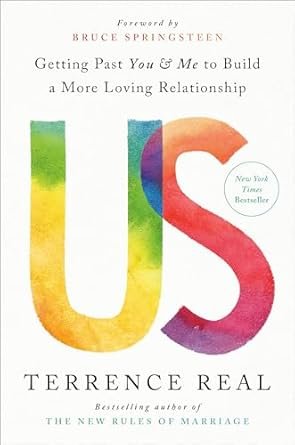
5. Us: Getting Past You and Me to Build a More Loving Relationship by Terrence Real (2022)

In this book, Terry Real explores the culture of individualism and how it undermines intimacy in our relationships. He reframes conflict and connection by emphasizing collaboration rather than competition for our needs to be met. Real helps identify and shift the perspective from “you and me” to “us.” This book offers a fresh perspective on vulnerability and cultivating empathy in our relationships. 


When to Take the Next Step and Start Couples Therapy

While books can’t replace the power of therapy, they can be an excellent tool to support reflection, growth, and meaningful conversations in your relationships. If you’re looking to go deeper, working with a couples therapist can provide the personalized support and guidance you need. Don’t hesitate to reach out and book a session with one of our specialized couples therapists—we’d be honored to support you on your journey toward a thriving relationship. 


Experienced couples therapist in Austin supporting relationship growth